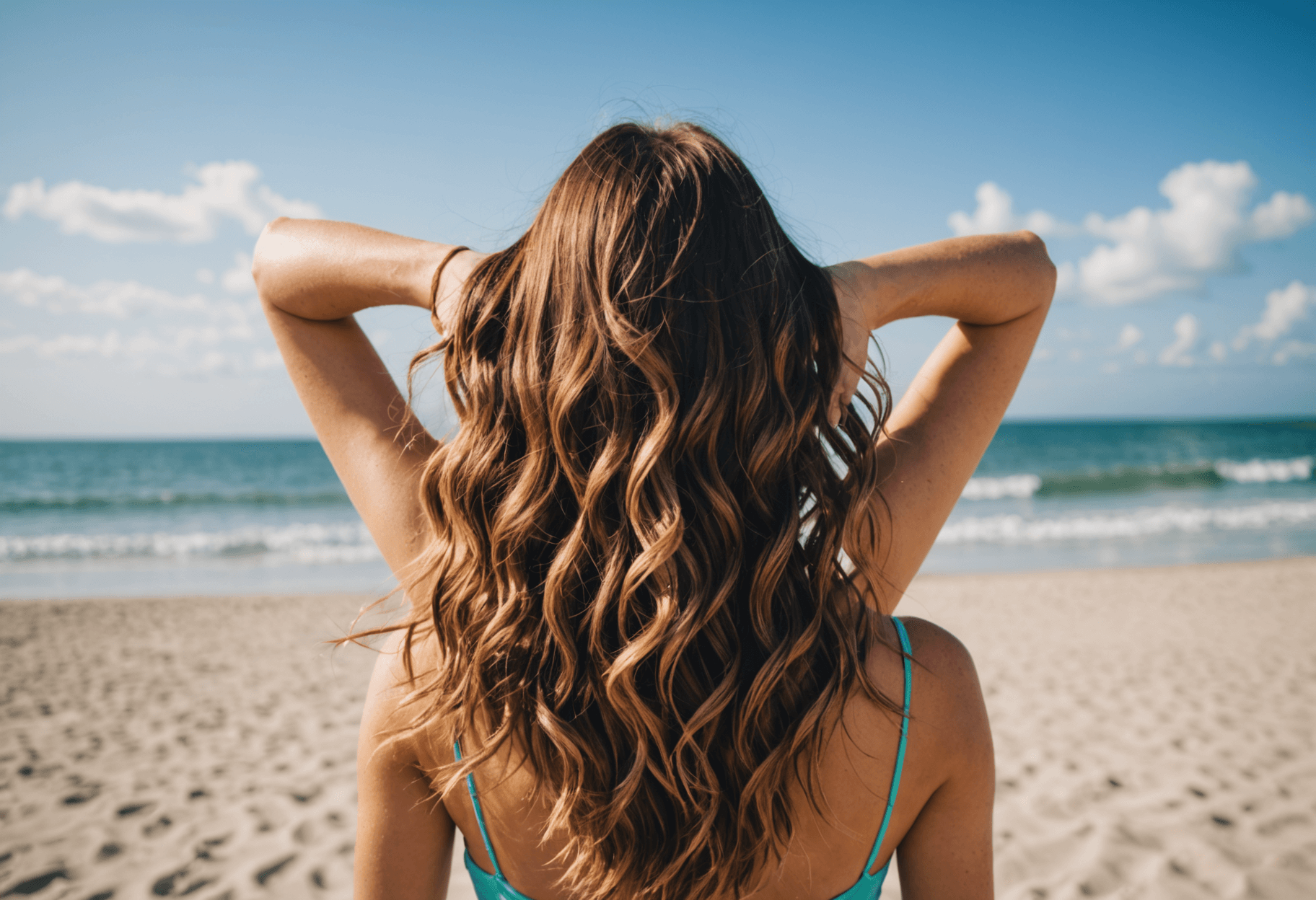
Sunny days, ocean breezes, and salty spray give hair a fun, wild beach look without trying too hard. But beware—the sun and salt can dry hair, cause frizz, and make curls look flat if not treated right. Using a simple routine keeps hair healthy and stylish while soaking up the beach vibes. Many people lock in moisture, hold their hair’s texture, and reduce breakage without spending hours fixing their hair. This easy approach works for any beach day or quick getaway, making hair look fresh from sunrise to sunset. Anyone wanting easy, gorgeous beach hair will find these tips too good to ignore. Keep reading to discover tricks that bring your hair to life when the sun is shining.
When you spend time outdoors your hair faces more than just heat. UV rays, wind, and the constant rinse from saltwater can strip moisture and lift cuticles, which leads to frizz and dullness. The good news is that small, repeatable habits pay off. Even on cloudy days, the sun sends ultraviolet rays that reach the ground and can affect hair color and integrity over time. By introducing a lightweight routine a few days a week you will notice smoother texture, less tangling, and a healthier overall feel. In the sections that follow you will find clear steps, product ideas, and routines you can apply within your life and hair type. Let’s build a plan you can reach for whenever you head to the coast.
Beach Hair Care Tips and Secrets for Moisture and Gentle Handling
Moisture is the backbone of beach friendly hair. When moisture stays balanced, hair holds its shape longer, dries with less frizz, and feels softer to the touch. The key is to layer protection before and after exposure so your hair can bounce back after a swim or a windy afternoon.
Begin with a lightweight routine that respects your hair type. If you have fine hair, you want products that add moisture without weighing strands down. If you have thick or curly hair, you can build more conditioning into your routine without causing limp texture. The basic idea is to keep the cuticle smooth and seal in moisture using barriers that won t sit on the surface or leave residue.
- Pre swim moisture means applying a thin layer of leave in conditioner or a small amount of hair oil to protect strands before water exposure
- After a swim a gentle rinse with fresh water helps remove salt without washing away every bit of natural oil
- Blot hair with a microfiber towel or old cotton t shirt rather than rubbing aggressively which creates friction and frizz
- Finish with a lightweight styling cream or serum to seal the surface and guide strands into calm shape
Practical tip to save time on busy beach days is to keep a compact kit handy. A small bottle of leave in conditioner, a travel size conditioner, a soft brush or wide tooth comb, and a microfiber towel can stay in a beach bag for quick touch ups. If you color treat your hair, look for products that are color safe and free from harsh sulfates. These choices help preserve hue while maintaining softness and manageability after exposure to sun and salt.
Saltwater Sun and UV What Each Do to Your Hair
Saltwater acts like a natural clarifier in some ways it can strip away moisture, leaving hair with a rough feel and a tendency toward tangling. The effect isn t permanent, but it can be noticeable after a few days if you skip rinsing and conditioning. Sun exposure adds another layer of challenge. UV light can break down the protein structure of the hair shaft and fade color over time. This is especially true for color treated hair and those with highlights. The combination of salt and sun can lead to dry, brittle ends if you don t take care.
That s why a practical plan includes quick rinses and protection. A light sun protection spray for hair can be useful when you expect extended sun exposure. Wearing a hat on the strongest mid day rays helps keep the scalp safe and reduces the risk of sunburn which can worsen dryness. Rinsing with fresh water after swimming removes excess salt so your natural oils stay in place and your cuticles stay closed. For those who swim frequently, consider a gentle rinse after each swim and a deeper conditioning treatment every few days to maintain moisture balance.
Benefits of a smart routine include less frizz, more defined texture, and healthier ends over the long run. Healthy hair can retain moisture longer and bounce back to its natural shape quicker after outdoor adventures. Experts often recommend avoiding heat heavy styling on back to back beach days to give strands a chance to recover. If you must, choose the lowest effective heat setting and always use a heat protectant. In addition, a satin or silk pillowcase offers a soft surface that reduces friction during sleep which keeps hair from becoming tangled or kinked after a day spent outdoors.
Rinse Protect and Condition The Right Beach Day Routine
A simple routine that you perform consistently pays off more than a complex regimen once in a while. The goal is to rinse, protect, and condition in a cycle that supports your hair type and the duration of your beach plans. Below is a practical routine you can adapt to mornings at the beach or a weekend escape.
Morning routine before heading out
Begin with a light cleanse for the scalp if you washed hair recently. If your hair is fresh from a wash, skip washing again and move to conditioning. Apply a small amount of leave in conditioner or a hydrating serum focusing on mid lengths and ends. If your hair tends to be fine, keep the product light you want to avoid the look of buildup when you reapply later in the day. If your hair is curly or coarse, you can layer a little more moisture to keep curls defined but never heavy.
After swim care
Rinse with fresh water as soon as possible after swimming. Salt can draw moisture away so the sooner you remove it the more you protect your natural oils. After a quick rinse, apply a hydrating conditioner or a detangler that suits your hair texture. Let it sit for a minute or two if you have time and then comb gently with a wide tooth comb from ends up to the roots. This method reduces breakage and helps keep curls aligned. A lightweight leave in product can help lock in moisture without weighing hair down.
Drying technique matters as well. Instead of rubbing hair vigorously with a towel, press and blot to remove excess water. If you have thick hair consider a low heat diffused dry or simply air dry when possible. For those chasing waves, you can scrunch upward while damp to encourage natural texture and shape. The overall aim is to minimize friction and maintain a clean, soft surface that holds its form after wind and spray.
Tools and Products that Work Under Sun and Sand
Choosing the right tools and lightweight products makes a noticeable difference. The best options for beach days are those that respect moisture balance, avoid heavy residue, and protect against UV exposure. Below are categories and practical ideas to assemble a compact, effective kit.
- Wide tooth comb or detangling brush to reduce breakage when hair is wet
- Microfiber towel or soft cotton tee for gentle drying
- Leave in conditioner with a light texture and UV protective properties
- Detangler spray to ease tangles after swimming
- Lightweight hair oil or serum applied to mid lengths and ends
- UV protective spray for hair to reduce color fading and dryness
- Satin or silk pillowcase for night time care when traveling
When choosing products, aim for formats that avoid heavy silicones or waxy heaviness that can weigh hair down in heat and humidity. Look for lightweight formulas, water resistant UV shields, and color safe options if you color treat your hair. A small kit that fits inside a beach bag can save you from over washing and keep your hair in good shape throughout a weekend away.
Additionally, consider a basic routine for two key tasks: detangling and sealing. Detangling sprays with silicone alternatives or plant based conditioning agents help sights slide through knots with minimal pulling. Sealing products that contain a small amount of light oil or silicones help lock in moisture and create a barrier against wind and sun. The right combination lets you refresh quickly and head back to the water without a long styling session.
Nighttime and Off Season Care for Coastal Hair
Hair doesn t end its needs when the sun goes down. A night routine helps repair the day s wear and prepares hair for the next morning. Sleep surfaces can cause friction, so a gentle wrap or pillowcase makes a tangible difference in reducing friction and breakage. If you spend many nights near the coast you may notice that hair benefits from light, consistent hydration and a calm scalp environment.
Consider a few practical ideas for overnight care. A satin pillowcase or a silk wrap reduces tangles and helps keep waves intact after a full day near the water. A light application of a nourishing oil on the ends before bed can help seal moisture and minimize friction from pillow fibers. If you prefer a more formal routine, apply a small amount of leave in conditioner or a protective spray to lock in moisture before you sleep. The goal is to wake up to hair that is less frizzy and more manageable, ready for a quick refresh rather than a full wash.
Long Term Health for Beach Lovers The Diet Sleep and Treatments
Healthy hair is a cumulative result of good daily habits, a balanced diet, and smart professional care. If you visit the beach regularly, you will see better resilience when you support hair from the inside out. Hydration, protein intake, and micronutrients like zinc and omega fatty acids play a role in hair strength and shine. A consistent morning and evening routine helps ensure your hair remains resilient through extended periods in sun and salt. If you color or chemically treat hair, schedule routine touch ups with your colorist to maintain shade and minimize over processing which can leave hair weaker and more prone to damage.
Beyond diet, practical care steps can keep hair healthier language. Regular trims remove split ends that can travel up the strand and create more breakage resistance to wear from sun. Occasional professional conditioning treatments, such as a deep moisture service or a gloss treatment, can add extra protection and bounce. For those who heat style, keep heat tools at a lower temperature and limit the length of sessions to protect from excessive heat. With a consistent approach, you ll find your hair stays stronger and more vibrant even after repeated beach trips.
Conclusion A Fresh Plan You Can Start Now
Beach days don t have to come with a price tag of rough, unmanageable hair. By embracing a simple routine that centers on moisture, light protection, and smart routines, you can keep texture, shine, and strength intact. The ideas shared here are designed to fit real life whether you are a casual weekend beach goer or someone who spends many afternoons by the water. You have the pieces to tailor a plan that works for your hair type, whether it is straight, wavy, curly, or somewhere in between. Start with a small change this week, such as adding a leave in conditioner or a light detangler after a swim, and notice the difference by the end of the week. Through consistency you will experience less frizz, easier detangling, and healthier ends that bounce back after each sun filled day.
Remember to rinse after saltwater exposure, protect with lightweight products, and finish with gentle drying techniques. Pack a compact kit for trips to the coast so you can refresh on the go and avoid repeating full washes too often. If you want ongoing tips and personalized recommendations, consider subscribing for seasonal advice that matches the beach calendar and your hair type. I invite you to try these strategies on your next beach outing and share your results in the comments below. Tell me which step makes the biggest difference for your hair and what products you enjoy most after a day by the sea. Your feedback helps others discover practical ideas that fit into busy lives. Ready for beach days that keep your hair healthy and looking its best? Grab your kit, head to the shore, and start today. You deserve to enjoy the sun and surf while your hair stays vibrant and strong.