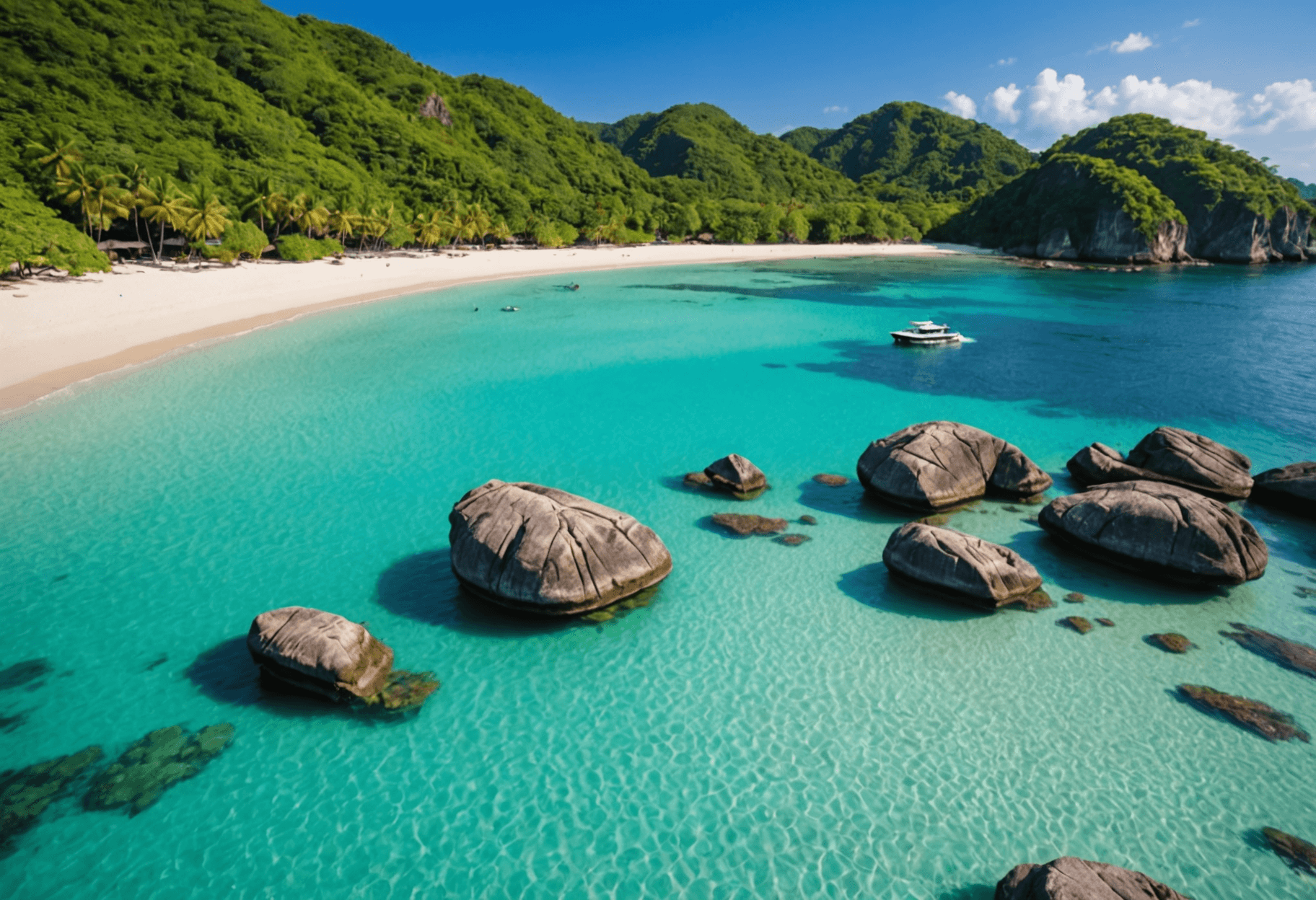
Hidden beach spots in Asia attract travelers fed up with crowded shores who want quiet places where the ocean whispers its own stories. These beaches feature soft sand, clear water, and a peaceful feel. A hidden cove usually lies just a short boat ride or easy hike through coastal woods, where daytime crowds disappear into calm silence once reaching the spot. The real charm comes from knowing this beach stays under the radar—giving a private moment with the sea. Finding these gems turns any trip into an unforgettable adventure that lasts long after leaving. Those chasing a peaceful getaway will enjoy uncovering these secret spots. Keep reading to discover where the ocean hides its best secrets and why it’s worth the journey.
In this guide we explore a handful of lesser known shoreline gems across Asia. The focus is on Hidden Beach Destinations in Asia that feel approachable yet off the beaten path. You will find practical tips for planning, traveling light, and respecting local communities while you chase that perfect shoreline. Throughout the journey we share ideas on timing, equipment, safety, and how to balance exploration with conservation. Whether you crave a quiet sunrise on a remote cove or a sunset swim with only a handful of locals nearby, these spots offer space to breathe and reflect while still delivering memorable scenery.
Why Hidden Beach Destinations in Asia captivate travelers
The lure of hidden beaches rests on more than beauty alone. These shores often come with a sense of discovery and intimate connection to place. You may paddle out to a cove that few guides mention, encounter coral gardens just offshore, or hear birds calling from a mangrove fringe as the tide shifts. For many travelers the experience is as much about the pace as the scenery, a chance to slow down and observe little details such as shells washed ashore or the way light dances across water at different hours of the day.
Affordable options, friendly locals, and opportunities to engage with traditional crafts and cuisine add to the appeal. When crowds are smaller, you have space to listen to the sounds of the sea, test your snorkeling skills in calmer bays, or simply linger with a good book as the sun warms the sand. The sense of exclusivity is not about private property but about hidden routes, quiet trails, and the small rituals that come with discovering a shoreline that feels almost personal.
Southeast Asia’s best kept beach secrets
Thailand’s secret coves
Thailand offers many quiet pockets along the coast where soft powdery sand meets turquoise water. Accessible via short boat rides or light treks from small fishing villages, these coves reward patience and a willingness to explore beyond the well known islands. The best windows typically align with the dry season, when seas are calm enough for easy paddling and swimming. Pack reef friendly sunscreen and a lightweight mask and snorkel set to maximize your time in shallow reefs near shore.
Practical tips for Thailand include checking local ferry schedules the day before, carrying small change for village vendors, and choosing a long tail boat operator who prioritizes safety. Stay in modest guesthouses close to the water so you can rise early for a glassy morning sea and perhaps a sunrise paddle. Respect wildlife by avoiding stepping on nests and keeping voices low around nesting sites or protected areas.
Snorkeling near hidden coves can reveal colorful fish and coral patches closer to shore than you might expect. If you visit during shoulder seasons, you may encounter fewer boats and cleaner water, with the added reward of soft morning light that makes the sand glow.
Vietnam’s quiet bays
Vietnam is peppered with bays and inlets where the coastline folds into tranquil water. Some of these get little press beyond local circles, making them ideal for a day of beach exploration without the crowds seen on more famous beaches. Expect gentle surf in protected coves, driftwood along the shore, and long-tail boats anchored in the lee of a small island.
To make the most of these spots, plan a day trip from a nearby town, but allow for a spontaneous second stop if a particularly inviting cove appears along the route. Bring a compact picnic, lightweight snacks, and a water bottle you can refill. When you arrive, greet residents with a friendly nod or a few words in the local language, and be mindful of private property along rocky promontories.
South Asia’s tranquil shorelines
Sri Lanka’s secluded beaches
Sri Lanka hides beaches along both its southern coast and its eastern belt, where palm trees sway and the water remains clear well into the afternoon. The quieter stretches away from major resort towns offer a calmer pace and opportunities to observe local fishing life. The best seasons align with calmer seas and lighter rainfall, making early mornings ideal for a stroll, a swim, or a gentle surf session.
When you visit, consider renting a bicycle for short rides along back roads that lead to small beaches. Local cafes often serve fresh fruit, spicy snacks, and cups of strong tea—great fuel for a half day of exploration. If you encounter wildlife near the shore such as turtles or unique shore birds, keep a respectful distance and avoid touching or feeding them.
India’s hidden coastlines
India has a long coastline with pockets that remain less explored by international visitors. In regions such as the Konkan belt and parts of Kerala, you will discover secluded stretches where the sands stretch for miles and the water stays inviting. These areas offer a sense of discovery with a strong local flavor, thanks to small fishing villages, spice markets, and hillside viewpoints that look toward the open sea.
Travelers who seek these shores should plan to stay in guesthouses or homestays that support community initiatives. Local guides can provide insight into safe swimming zones and the best times for quiet beach walks. A simple rule of thumb is to visit during daylight hours when lifeguard or local assistance is more accessible and to carry a small bag with essentials such as water, sunscreen, a hat, and a lightweight rain layer for unexpected showers.
East Asia’s tucked away shorelines
Taiwan’s coastal hideaways
Taiwan offers a mix of rugged coastlines and sandy pockets that remain off most large city itineraries. The northern and eastern shores, in particular, hold small beaches that appear after you follow winding roads through fishing towns. These spots become especially appealing on weekdays when the local pace is slower and sea fog or light cloud cover adds a moody backdrop to blue water.
For an enriching day, pair beach time with a visit to a nearby hot spring or a local market to sample regional specialties. Respect for private property and mindful noise levels are appreciated by resident families who use these coastal areas as daily life spaces. If you bring a camera, be discreet around people who are engaged in fishing or shoreline maintenance activities.
Japan’s remote sands
Japan presents a number of remote beaches accessible by train and a short hike or bus ride. In many cases you can find a long stretch of sand set against forested hills, with the sea stretching to a far horizon. These beaches reward early morning visits when the tide is low and the wind quiet, making it possible to walk along the shore without interruption from crowds.
Simple plans work well here: catch a local train to a small coastal town, check a tide chart, and set out with a light daypack. If you are curious about marine life, bring a small waterproof container for sea glass or shells you may find in permitted zones, and always respect posted signs about wildlife and nesting areas.
Planning tips for visiting hidden beaches
- Research access routes Look for routes that combine a short hike with a boat ride. This blend often keeps crowds sparse while delivering dramatic arrival moments.
- Pack light and smart Bring a compact towel, a breathable shirt, sun protection that is reef safe, and a compact reef snorkel mask if you enjoy a swim near shore.
- Stay flexible Local weather can shift quickly. If a bay looks calm in the morning, you may choose to stay longer; if a front moves in, shift to a nearby sheltered spot.
- Choose small, family run places Staying in guesthouses or homestays helps support the local economy and keeps the area vibrant for future visitors.
- Respect rules and wildlife Do not disturb nests, do not feed wildlife, and keep noise to a minimum especially near dawn or dusk.
The best seasons to visit hidden beach destinations in Asia
Season windows vary by region, and chasing a dry spell often makes the experience more enjoyable. In Southeast Asia the dry season commonly runs from late fall through the winter into early spring, which means cooler mornings and calmer seas for several coastal areas. In East Asia the weather can be more variable with monsoon cycles, so planning around local patterns helps you avoid heavy rain and rough seas.
To build a practical plan, consider pairing two regions with overlapping dry periods. For example, you might start with a few days on a quiet coast in Thailand and then move to a Taiwan or Japan peninsula during the same window. Always check local forecasts a week before travel and be ready to adjust plans if sudden storms emerge. Booking flexible accommodations can help you switch venues if a beach you want to visit looks more inviting on a different day.
How to travel responsibly on fragile coastlines
- Leave no trace Carry out all trash and avoid leaving packaging or food wrappers near beaches or trails.
- Support local guides Hiring a local guide helps protect fragile ecosystems and supports community livelihoods as you learn about coastal life from those who know it best.
- Protect coral and marine life Do not touch coral formations and avoid stepping on shallow reefs. Wear reef friendly sunscreen to protect underwater habitats.
- Respect private spaces Many hidden beaches border private homes or small villages. Be mindful of signs and maintain a respectful distance from residents’ daily routines.
- Choose sustainable options Opt for accommodation and transport providers that prioritize green practices and fair wages for staff.
Capturing memories while keeping places pristine
Photographs can tell a powerful story of a beach that feels almost private. When you frame your shots, avoid intruding on locals at work or in residential areas. If you use a drone, check local rules and keep altitudes modest to avoid disturbing wildlife or people at the shoreline. A simple rule is to capture the mood of a place without turning it into a spectacle that changes the atmosphere for others who visit after you.
To make sure your experience stays special, plan a two to three day segment for each region. This approach gives you a real feel for the coast and the chance to discover a second or third shoreline along the way. It also reduces the pressure of trying to cover too many places in a single trip, which often leads to rushed experiences rather than meaningful connections with the sea and the communities you encounter.
Conclusion
Hidden Beach Destinations in Asia offer a rare combination of serene scenery, cultural texture, and personal discovery. The appeal lies not only in the beauty of a particular shoreline but in the process of finding it, the people you meet along the way, and the stories that unfold as you walk a quiet stretch of sand at dawn or listen to the gentle lapping of waves after sunset. By choosing lesser known shores, you gain access to intimate landscapes where the sea feels suddenly yours for a while, even as you remain connected to the broader tapestry of coastal life in Asia.
As you map your next escape, start with a simple plan that prioritizes light packing, flexible itineraries, and respect for local communities. Use these ideas as a springboard to craft a trip that matches your pace and curiosity. Keep a small notebook or note on your phone to jot down a few impressions from each beach you visit, whether it is the color of the water at midday, a fisherman’s routine near the shore, or the taste of a regional snack by the sea. If you enjoyed this guide, share it with friends who love quiet coastlines and invite them to contribute their own discoveries. Leave a comment with the first hidden beach you would like to explore and the region you are most drawn to. Your ideas can spark the next adventure for others who crave the same tranquil shorelines. Start planning and let the journey unfold at its own pace.