Getting ready for a trip begins long before reaching the airport. How the suitcase fills up often shapes whether the whole adventure goes smoothly, from walking out the door to relaxing at a hotel and exploring new places. Picking only the important things and using simple packing tricks makes traveling feel easy and confident. A tidy packing method shrinks headaches, saves valuable time, and lets focus stay on enjoying the journey instead of battling a chaotic bag. Discovering these tips will unlock the secret to turning packing into a travel game changer. Keep reading if a stress-free trip sounds like your kind of fun.
Travel experts agree that having a reliable packing approach makes a big difference. When you have what you need at hand and everything has its place, you navigate airports, transfers, and weather changes with less friction. The goal is not to pile on items you never touch but to assemble a base of essentials that covers you for most days while allowing room for souvenirs. This guide walks you through what to bring, how to organize it, and where to adapt based on your destination and plans.
Packing Essentials for Your Next Vacation
Your packing kit starts with a clear plan. Begin by identifying the activities you will do, the climate you will encounter, and the duration of your stay. From there you can assemble a lean list that hits the sweet spot between readiness and restraint. A well thought out kit keeps you warm when a breeze picks up, protects you when rain arrives, and avoids the extra luggage fees that come with overstuffed bags.
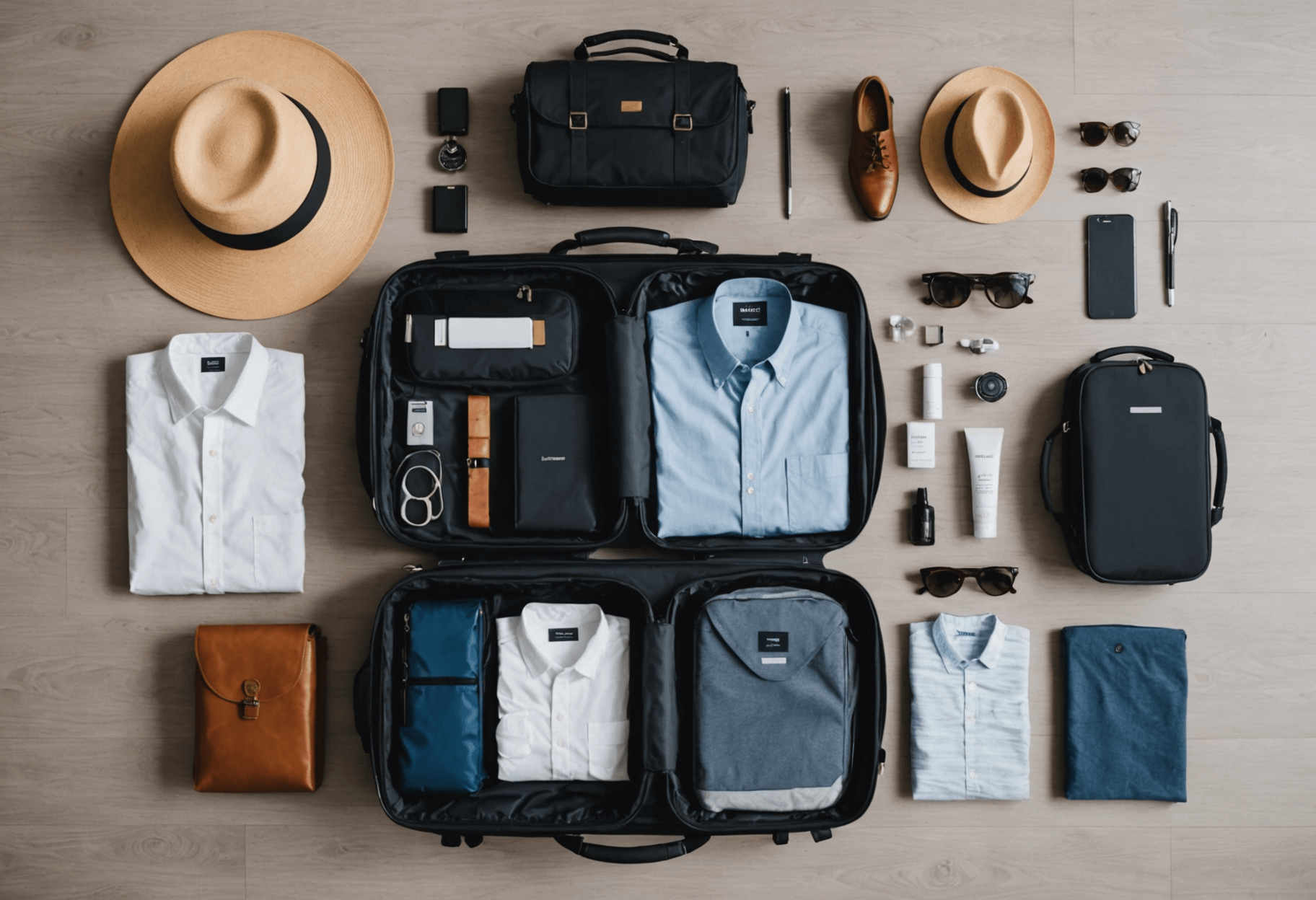
Below is a practical approach to building your packing set. Use it as a reference and tailor it to your trip style. The focus is on items that add real value during travel days and while you are away. You will find that you gain more freedom when you minimize duplicates and choose versatile pieces you can mix and match.
- Start with a lightweight shell and a warm layer you can wear together in changing temps
- Pack a comfortable base of tops and bottoms that you can rotate into several outfits
- Include a compact weather protection item such as a foldable rain shell
- Bring a compact bag for day trips plus a reliable travel wallet for documents and cash
- Choose compact toiletries and refillable bottles to keep weight down
- Limit shoes to two pairs that cover activities you plan to do
To make this approach work, set a practical weight limit and plan room for a few keepsakes. A light, well organized bag reduces the effort needed to track belongings during transit and makes security checks faster. Your goal is items that serve multiple purposes rather than single use gadgets that end up unused on the hotel shelf.
Clothing and Footwear Essentials for Travel
Clothing decisions drive the overall efficiency of your kit. The right fabrics, layers, and fit keep you comfortable in a range of conditions while preserving space in your luggage. Start with a core color palette so items mix and match easily. Think about layering options that work across several days and activities rather than packing a new outfit for every event.
Seasonal Wardrobe Planning
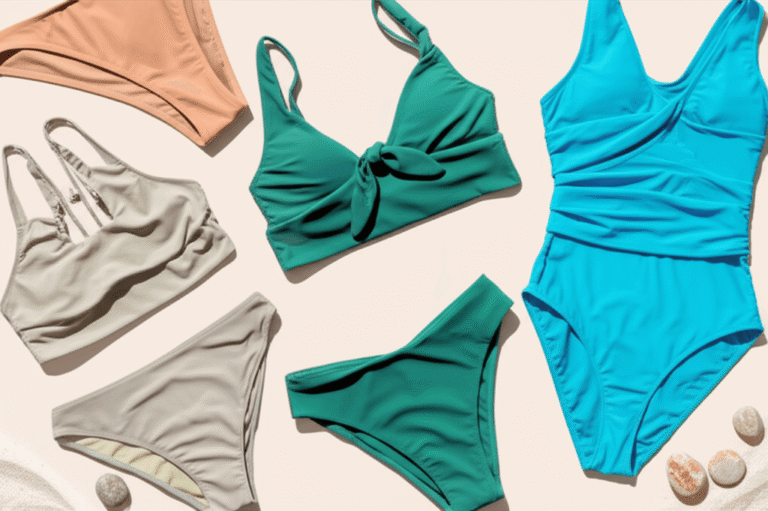
Check the forecast for your destination and plan accordingly. In temperate environments a light jacket, a sweater, and a couple of breathable tops can cover most days. For beach destinations, select quick drying fabrics and a lightweight swimsuit that doubles as a base layer for sun protection. If you expect cool evenings, bring a versatile cardigan or fleece that folds small. The aim is to cover a range of temperatures with minimal items.
Packing Strategies for Outfits
Instead of loading multiple complete looks, assemble 4 to 6 interchangeable outfits. Pick two bottoms and four tops that pair with accessories. Roll your clothes to save space and reduce wrinkles. Place heavier items at the bottom of the bag and lighter pieces on top to maintain balance while you travel. If you expect rain, choose a compact umbrella or a rain shell that folds neatly into a side pocket. With smart planning you can rotate items in different combinations without carrying excess weight.
Electronics and Power on the Road
Gadgets make travel smoother yet they also add weight and clutter. A focused electronics plan helps you stay connected and capture memories without being overwhelmed by cables and chargers. Prioritize items that you truly need for navigation, communication, and essential entertainment during downtime.
Cable and Accessory Checklist
Carry a single compact cable bag with the essentials. Include one universal charger, one USB cable for your phone, one extra micro USB or USB‑C for backup devices, and a small power bank with enough capacity for a day trip. Keep a spare SD card if you take many photos. Label cords with small tags to avoid tangles in your bag. A simple rule is to pack only the cables you will actually use rather than every cord you own.
Charging Solutions and Safety
Plan charging two devices at once using a compact dual port hub. Pack a compact wall adapter that fits the outlets you will encounter and avoid bulky multiport devices that take up space. Use a surge protector sparingly and be mindful of airline restrictions on batteries. When storing electronics, keep devices out of the main compartment to reduce heat exposure during transit. A clean, dry case protects screens and helps you locate items quickly at security checks.
Toiletries and Personal Care on the Go
Toiletries are essential for comfort, skin health, and hygiene while you travel. The trick is to keep them compact, compliant with rules, and organized so you can access what you need with minimal rummaging. A small set of high value items can cover a week away without the bulk of a full bathroom shelf.
TSA Friendly Containers and Refill Tips
Choose travel sized containers that hold the right amount for your trip length. Use clear bottles to help security staff quickly see contents. Place liquids in a small waterproof pouch and flatten to save space. If you rely on favorite products, consider refills from your home bottles in advance to avoid buying duplicates at the destination. Keep a spare bar of soap or travel sized shampoo for edge cases where you are stuck in a hostel or budget hotel.
Healthy Hygiene Routine On The Move
Carry a compact first aid kit with basic items such as bandages, antiseptic wipes, and a small pain reliever. Include a personal care item like sunscreen or lip balm with sunscreen if you will be outdoors a lot. Pack a travel toothbrush, toothpaste in a small tube, and a compact hand sanitizer for quick freshening up between activities. A tidy set of items in a pouch keeps your routines simple and helps you avoid buying items twice at the destination.
Documents Money and Security Essentials
Behind every smooth trip is a reliable system for documents and cash. Protecting important items while staying flexible enough to handle unexpected changes is key. Organize both physical documents and digital copies so you can access what you need without delay.
Digital Backups and Insurance
Scan or photograph vital documents such as your passport, driver license, travel itinerary, and insurance cards. Store copies in your email or a cloud folder and carry a small printed copy as a backup for emergencies. If you have travel insurance, keep your policy details and claim numbers accessible in one secure note. A simple digital backup reduces anxiety if you misplace a card or lose access to a device.
Safe Storage and Quick Access
Divide documents and money into two compact compartments: one place you can reach quickly for a check in and another for backups. Use a slim travel wallet that fits in your front pocket for easy access to boarding passes, ID, and a little cash. For souvenirs and larger sums, keep a separate secure area inside your luggage. This layered approach helps you stay organized while on the move and reduces the risk of misplacing important items.
Packing Smart with Luggage Organization Tools
Organization tools turn a cluttered bag into an intuitive system. When you can see where everything lives, you save time and reduce stress during transitions. Invest in a few lightweight, durable items that make a noticeable difference in how efficiently you pack and travel.
Packing Cubes and Compression Bags
Use a small set of packing cubes to separate clothing, undergarments, and outfits. They create visual order and let you reconfigure the bag quickly. Consider compression bags for bulky items like sweaters or jackets when space is tight. These tools help you maximize every liter of luggage while keeping contents stable on bumpy roads or during flight handling.
Inventory Check and Weight Awareness
Before you zip up, do a quick inventory of what you packed. A simple checklist on your phone or a small notebook helps you confirm essential items are present. If you weigh your bag, aim for a reasonable limit to avoid excess charges and heavy lifting. An ongoing habit of reviewing what you carry makes you more confident and less likely to forget something crucial on future trips.
Conclusion and Quick Action Plan
By focusing on a lean set of versatile items and a clear organization system you gain time and peace during your journey. Start with a core wardrobe that mixes well, a compact electronics setup, a concise toiletries kit, and a solid approach to documents and money. Remember to adapt based on climate, itinerary, and length of stay while avoiding duplicates that add weight. A well planned packing routine yields smoother transitions, fewer last minute purchases, and more energy for the moments you travel to enjoy.
To put this into practice you can begin today with a quick audit of your current packing habits. Make a short list of essentials you always use and remove items you rarely touch. Create a simple carry on friendly kit that fits in a single bag and see how it feels for a weekend test trip. Use packing cubes to organize the bag, keep a digital backup of important documents, and test a two day packing cadence for your next trip. As you gain experience you will notice a drop in stress and a rise in efficiency. The goal is straightforward to reach when you apply a practical plan and stay flexible.
Ready to start your next journey with confidence Consider your destination and tailor the items above to suit the climate, activities, and length of stay you have planned Take the time to prepare a practical packing list today and you will set the stage for smooth days away from home A thoughtful approach to packing pays off in the form of more time for experiences and fewer moments spent searching for essentials