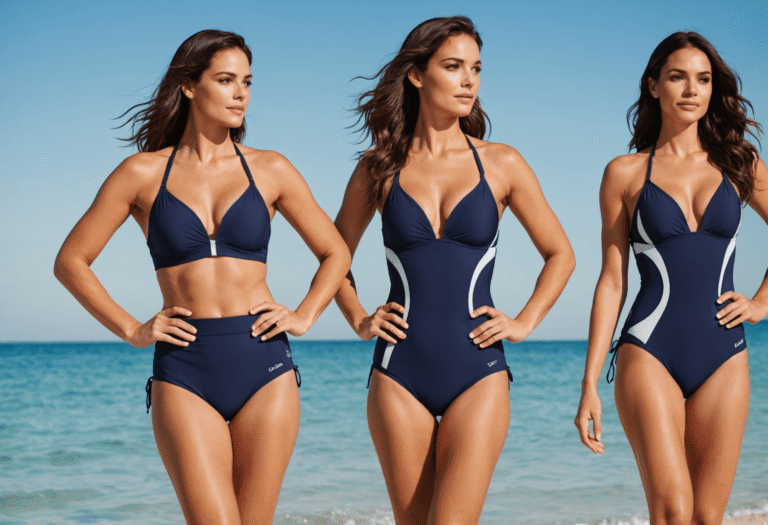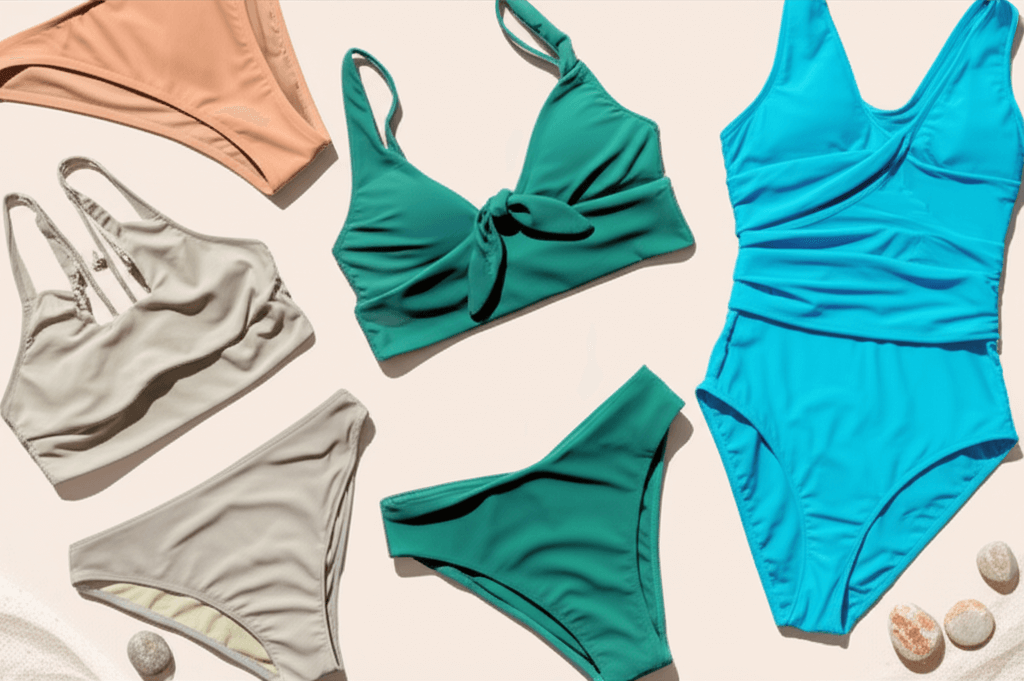
Beach season sparks a flood of new swimwear, but lots skip the part about being gentle with the planet. For anyone craving cool suits that don’t trash the earth, eco-friendly swimwear brands use sustainable fabrics and smart, green methods. Slipping into the right swimsuit not only feels great and looks awesome but also shouts out a love for nature—whether catching waves, swimming around, or chilling on the shore. Finding these suits means scoring both comfort and style while helping the planet, a combo that’s hard to beat and definitely worth exploring. Keep reading to find out how to make your beach days better for you and the world.
In this guide you’ll find practical tips for evaluating fabrics, production details, and packaging. We’ll spotlight brands that use recycled fibers, plant based options, and packaging that minimizes waste. The aim is to help you build a swimwear rotation that lasts, reduces waste, and still looks and feels great by the pool or at the beach.
Whether you are shopping for yourself or for a family, the goal is to choose pieces that deliver comfort and confidence while respecting people and the planet. By understanding materials, asking the right questions, and knowing where to shop, you can make smarter choices that support a healthier ocean and cleaner supply chains.
Why Eco-Friendly Swimwear Matters
Swimwear made with conventional fabrics such as virgin polyester and nylon can contribute to microplastic pollution. When these garments are washed, tiny fibers shed and can end up in waterways and oceans. This is a global concern because marine life ingests microfibers, which can work their way up the food chain. In addition, dyeing and finishing steps in textile production require water, energy and chemicals that may impact local ecosystems if not managed well.
Choosing pieces built to last and made with responsible materials helps reduce waste and the need for frequent replacements. Brands that use recycled fibers or plant based fibers often pair strong durability with a softer feel and better comfort. Opting for well made swimwear that holds color and shape after multiple uses lowers the overall consumption of resources over time. And when you can repair a seam or replace a buckle instead of tossing a suit, you keep more material out of landfills.
Microplastic concerns with synthetic fabrics
Swimwear commonly uses synthetic fibers such as polyester or nylon. These fibers shed microfibers during washing, and some of these fibers find their way into rivers and oceans. By selecting fabrics that incorporate recycled content or experimenting with natural blends, you can reduce dependence on virgin plastics while still enjoying a high performance fabric. Look for labels that indicate recycled content, and consider how washing methods may influence fiber shedding over time.
Resource use and chemical load in production
Fabrics and dyes require water and chemicals during manufacture. Some brands employ low water dyeing technologies, digital printing, or closed loop processing to minimize waste and runoff. When you choose swimwear from a brand that shares production details, you gain insight into how a company manages energy, water, and chemical use from fiber to finished garment. This transparency helps you compare options beyond price or appearance.
Materials That Make a Difference
The fabric itself is a major factor in how comfortable a suit will be and how long it lasts. Materials choices influence feel, stretch, color retention, and resistance to chlorine. Below are two broad categories you will often see in eco friendly swimwear.
Recycled fibers and fabrics
Recycled polyester and recycled nylon are common in sustainable swimwear. Recycled polyester (rPET) often comes from post consumer bottles, while recycled nylon repurposes fishing nets and other pre consumer waste. These options help reduce the need for virgin plastics and aim to close the loop on textile waste. It is worth noting that fiber shedding can still occur with synthetic fabrics, so pairing recycled content with durable construction and careful care is beneficial. Some labels also note that dyeing and finishing steps are done with reduced water and fewer harmful chemicals.
Bio based and plant derived options
Emerging fibers based on plant materials and bio derived sources are showing up in some lines. While not every collection uses these fibers, brands that test algae based blends or plant derived components often pursue lower environmental impact in production. When you see terms like plant derived or bio based on the label, consider how the fabric performs in stretch, recovery, and quick drying, and review care instructions to keep the garment vibrant over time.
How to Vet Brands for Sustainability
To connect with swimwear that aligns with values, use a few simple checks you can repeat with most brands. The goal is to gather reliable information about materials, production, and packaging.
What to look for in fabric labels and certifications
Look for recycled content percentages on the fabric label and packaging. Certifications can provide insight into how materials were produced and finished. Credible marks to consider include Global Recycled Standard (GRS) for recycled fibers, OEKO TEXT standards that test for hazardous substances, and Cradle to Cradle certification for product design principles. Bluesign certification is another respected sign that a product meets certain environmental and social criteria. When you see these marks, you have a tangible reference point for comparing options.
Questions to ask about production and packaging
Brands that are open about their supply chain often share details on mills, dye houses, and worker conditions. Ask or look for answers about whether fabrics are sourced from suppliers with transparent labor practices, whether packaging uses recycled materials, and if there is a take back or repair program for older pieces. For households aiming to reduce waste, preference for brands that minimize packaging or use compostable or recyclable materials is a practical signal.
Top Eco-Friendly Swimwear Brands to Know
Below are well known brands that place emphasis on sustainability and share information about fabrics and production. They exemplify approaches you may see across the market, and they provide options across different styles and sizes.
- Patagonia offers swimwear built with recycled fibers and a strong repair program that helps extend the life of pieces. The brand consistently shares information about materials and supply chain practices and prioritizes fair labor considerations where possible.
- Outerknown is a surfer friendly brand that uses recycled nylon and other eco conscious fabrics in a number of lines. It emphasizes responsible sourcing and thoughtful design aimed at durability and long wearability.
- Girlfriend Collective focuses on circular design concepts and uses fibers made from recycled bottles. The brand highlights inclusive sizing and a transparent approach to materials and manufacturing.
- Summersalt markets swimwear that often features recycled fabrics and packaging; it also tends to emphasize clean lines and comfort, with a focus on easy fit and supportive shapes.
- Andie Swim offers swim sets and separates with options that include recycled fabrics in several lines, along with size inclusive fits and clear product details about materials.
Caring for Eco-Friendly Swimwear to Extend Life
Durability and proper care are essential to getting more use from each piece. Small habits can prolong fit, color and elasticity over time, reducing the need to replace often.
- Rinse pieces with fresh water after swimming in salt water or chlorine to remove residue that can break down fibers.
- Hand wash in cold water using a mild, fragrance free detergent. Avoid harsh soaps that can strip fibers or pigment.
- Gentle handling is key: avoid wringing or twisting the fabric; press excess water and lay flat to dry or hang on a rack out of direct sun.
- Air dry away from heat sources; high heat can degrade elastics and color more quickly.
- Keep suits only with similar fabrics during washing to minimize abrasion and color transfer.
- Store dry, folded or laid flat; if possible, use a breathable garment bag to protect from dust while not in use.
- Limit the use of chlorine when possible; rinse promptly and replace after extended sun exposure as color can fade over time.
- Rotate pieces through your swimming wardrobe to spread wear evenly and reduce stress on any single item.
Where to Buy and What to Expect in Price and Quality
Eco friendly swimwear often sits in a mid to higher price range relative to fast fashion. The extra cost reflects investment in better materials, more durable construction, and sometimes more transparent production. If you plan ahead, you can build a rotation that lasts several seasons rather than replacing a suit yearly. Look for sales events or bundle options that let you acquire multiple pieces without a large upfront outlay. Some shoppers also explore resale or rental options for specialty pieces or seasonal needs, which can lower overall cost while keeping a garment in use longer.
Quality tends to show in a few areas: fabric recovery after stretch, color fastness after exposure to sun and chlorinated water, and the strength of seams and fasteners. When possible, try to try on or read customer reviews that mention fit and durability. A well made suit often feels snug and stays comfortable through a full day by the water, while cheaper options may quickly lose shape or color. If you invest in one or two pieces that you truly love and wear often, you can reduce overall consumption while still enjoying performance and style.
Conclusion
Choosing eco friendly swimwear brands is a practical way to align your wardrobe with ocean friendly values. By understanding how fabrics are made, what certifications mean, and how to care for suits, you gain a clearer sense of which pieces will perform for you season after season. Recycled fibers and plant derived options are increasingly common, and many brands now provide detailed information about their supply chains and packaging. This openness helps you compare products beyond price and appearance, empowering you to select items that truly fit your life and your principles.
Start with a single piece that feels right for your body and activity level, and use it as a test case for fit, comfort, and wash care. Check the label for fabric content and any care instructions, and review the brand’s take back or repair options. As you learn what works, expand your rotation with additional pieces from brands that share what matters to you. Keeping a mindful eye on material choices, production transparency, and longevity will pay off over time with suits that perform reliably and sustainably. When you are ready to act, visit brand sites or trusted retailers to explore options that align with your values and your climate. Make a small, deliberate choice this season and invite friends to do the same. Shop with intention, and you contribute to a cleaner coastline and healthier oceans for years to come.